MISSION — The Confederated Tribes of the Umatilla Indian Reservation (CTUIR) Board of Trustees (BOT) approved $373,761 in opioid settlement funds to support prevention, treatment and recovery programs in the community.
The BOT authorized the funding through Resolution 25-089 on Nov. 24, 2025, adopting the Opioid Settlement Plan and Budget. The funds are designated for opioid abatement efforts aimed at reducing opioid-related harm and will be spent in 2026.
To implement the plan, the tribe allocated funding for equipment, training and programs to address the opioid crisis. This includes $32,700 for a TruNarc electronic narcotic analysis machine and $21,750 for police training on its use. In addition, $25,000 will fund naloxone distribution in the community as part of prevention efforts.
Meanwhile, the Umatilla Tribal Fire Department will receive $110,000 for first responder equipment and protective gear, including ALS monitors, chest compression devices, intubation scopes, Vscan EMS ultrasound equipment, respiratory gear, chemical-resistant gloves, full-body protection and eye protection to support overdose response. Support services for EMS response, such as peer-to-peer behavioral health groups, will receive $3,625.
Funding for prevention and community engagement includes $100,000 for events, conferences and media development by the Department of Children and Family Services; $20,000 for the department’s Basketball Against Alcohol and Drugs program; and $60,686 for Hunting for Sobriety, a cultural prevention activity.
Addressing a public health crisis
Chanda Yates, deputy executive director of CTUIR, said the funding addresses a severe public health crisis. While data show smaller numbers for the CTUIR, the community still experiences the effects of the opioid epidemic, including addiction, overdose deaths and strain on families and health care systems.
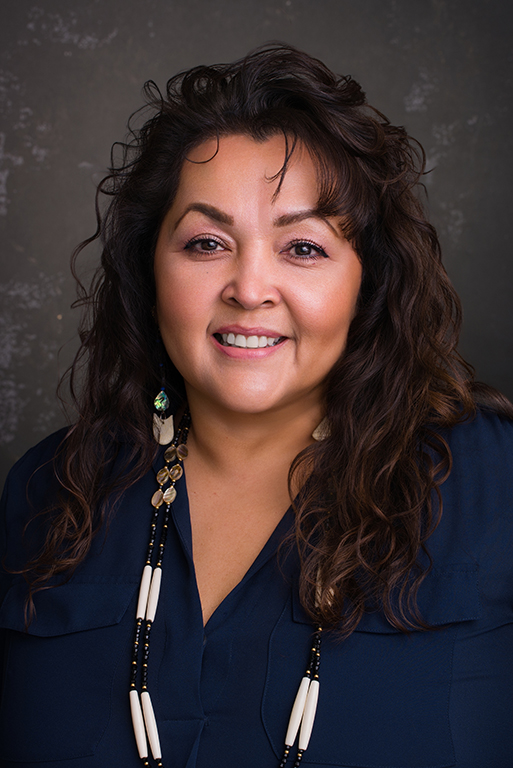
CTUIR deputy
executive director
“The funds will support evidence-based programs for opioid use disorder, mental health and substance use treatment,” Yates said. She said the funding also enables culturally appropriate solutions, including Tribal Abatement Strategies that incorporate traditional healing practices and community-based approaches.
Yates noted that the funding fills service gaps by supporting behavioral health facilities, naloxone distribution, prevention programs and community engagement initiatives that otherwise might not be funded. Though temporary, she said the funds can help build infrastructure and programs that reduce opioid misuse and save lives.
According to the Oregon Health Authority’s 2024 report, “Opioids and the Ongoing Drug Overdose Crisis in Oregon,” overdose death rates among American Indian and Alaska Native Oregonians have risen sharply, climbing from 36.9 per 100,000 in 2020 to 111.7 per 100,000 in 2023 — the highest rate of any racial or ethnic group in the state.
Identifying service gaps
According to the Tribal Opioid Abatement Use Report, CTUIR hosted an opioid workshop on Aug. 12, 2025, with tribal departments and entities to identify unmet needs and service gaps related to opioid prevention, treatment and recovery.
A second workshop held Aug. 25, 2025, focused on identifying the root causes of addiction and overdose, setting goals to reduce opioid-related harm and pinpointing areas and populations most in need of treatment and intervention services. The session also emphasized training, technical assistance and strategies outlined in the tribal opioid abatement plan.
The report, signed and written by Yates, stated that, “while current data indicate relatively low levels of opioid misuse in the community, residents have expressed growing concern.” It said workshops highlighted needs for “more youth prevention programs, increased family support, and expanded access to harm reduction tools, medication-assisted treatment and mental health services.” Staff training in “trauma-informed care and culturally responsive approaches” was also identified as a priority.
“Existing services provide a solid foundation, but limitations in staffing, outreach, service hours, and access to care remain,” Yates wrote in the report. “Many programs operate during standard business hours, and recruiting qualified professionals continues to be a challenge, especially in a rural setting. Finally, outreach efforts need to be more proactive and better resourced to engage high-risk populations.”
The report also identified gaps across the full continuum of care, including detox and residential treatment, transitional housing and supportive services such as child care and transportation. It noted a need for improved coordination between departments, consistent messaging and policy changes that reduce barriers to care.
“To address these needs, priorities must be integrated into long-term planning, with attention to sustainable funding and cross-department collaboration,” Yates wrote. “CTUIR will strengthen its response through culturally relevant prevention, treatment and recovery strategies tailored to the community.”
Treatment and recovery options
Yates said community members who struggle with opioid addiction can access multiple resources through Yellowhawk Behavioral Health.
Shanna Hamilton, public relations manager for Yellowhawk Tribal Health Center, said Yellowhawk Behavioral Health’s outpatient chemical dependency program provides counseling and group support for community members dealing with addiction.
In addition, when clients need a higher level of care than the program can offer, staff connect them to residential treatment and medication-assisted treatment programs in the Pendleton area. Meanwhile, for those not ready for outpatient treatment, Yellowhawk Behavioral Health employs two chemical dependency prevention coordinators who organize monthly events and activities focused on sober, healthy living.
The chemical dependency program also includes six peer recovery mentors with lived experience in addiction and recovery. Through their support, the mentors help community members connect to resources, participate in cultural recovery activities such as sweat and Washat and receive assistance with job searches, resumes and other needs.
To further promote harm reduction, Yellowhawk Behavioral Health operates two vending machines on the Umatilla Indian Reservation — at Mission Market and Wildhorse Resort & Casino — that provide free Narcan. In addition, Yellowhawk Behavioral Health offers Narcan directly and provides brief training on how to use it.