Opinion | By Troy Baker, CTUIR Water Resources Program Manager
Streams and rivers on the Umatilla Indian Reservation (UIR) are more than just lines on a map. They provide clean water, support fish and wildlife, help protect homes and roads during floods and sustain First Foods that are central to tribal culture and identity. When these waterways are healthy, the entire community benefits.
That’s why riparian areas—streams, nearby banks, floodplains, and the vegetation along the water—are so important. These areas function as a connected system, so when one part is disturbed, the effects can extend far beyond a single property.
Why riparian areas matter
Vegetation along streams keeps waterways healthy. Trees and shrubs provide shade to keep water cool for fish, and their roots stabilize soil to reduce erosion. Floodplains give high waters space to spread safely rather than damaging roads, fields or homes.
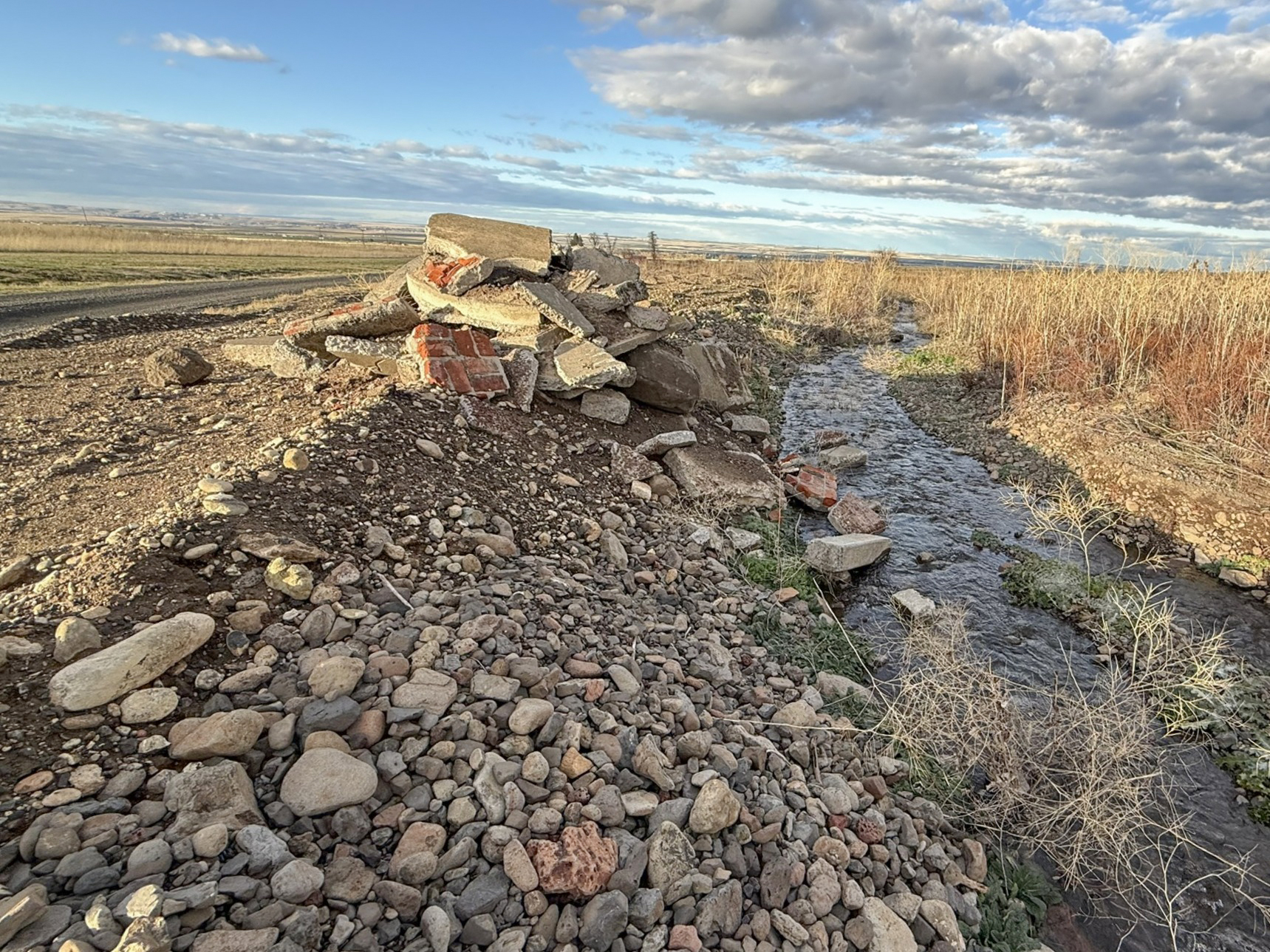
When soil, rock, construction debris, or other material is placed too close to a stream, or when vegetation is removed, these natural protections begin to break down. Sediment can cloud the water, temperatures can rise, and floodwaters may shift course. Even small, well-intended projects can unintentionally create long-term problems downstream.
“Streams do not stop at fences or property boundaries. What happens along one stretch of a creek can influence water quality, flooding and habitat far away.”
What is a stream zone alteration?
A Stream Zone Alteration is any work in or near a stream channel, floodplain, or riparian area that could change water flow, sediment movement, or stream function. This includes grading, placing rock or construction fill, removing vegetation, or working directly in the stream.
Because these areas are sensitive and closely connected, the Tribal Water Code requires a Stream Zone Alteration Permit before work begins.
Why are permits required?
Permits are not meant to stop projects. It ensures work near streams is done safely and responsibly. When a Stream Zone Alteration Permit application is submitted, technical staff review the proposed work to identify potential risks and suggest ways to avoid unintended impacts.
In many cases, this early review saves time and money by preventing problems before they occur. Over the past year, the Water Resources Program has seen several cases where work proceeded without a permit. Often, this happened because people did not realize a permit was needed or underestimated how sensitive stream areas can be.
Correcting unpermitted work usually takes far more time and effort than doing it correctly from the start. Removing misplaced materials, repairing streambanks and restoring vegetation can take months or even years. These efforts are not about punishment. They are about protecting shared waters that affect everyone upstream and downstream.
Streams do not follow property lines
Streams do not stop at fences or property boundaries. What happens along one stretch of a creek can influence water quality, flooding and habitat far away. That is why the Tribal Water Code applies to everyone working on the UIR. Protecting streams is a shared responsibility.
If you are considering work near a stream, floodplain, or riparian area, the best first step is to contact the Department of Natural Resources Water Resources Program. Early conversations can help determine whether a permit is needed, reduce delays, and ensure projects move forward without unintended consequences.
For questions about Stream Zone Alteration Permits, contact the Water Resources Program’s Water Code Administrator, Devan Noblit, at 541-276-3165. Staff is available to provide guidance and help protect the Reservation’s waters for future generations.