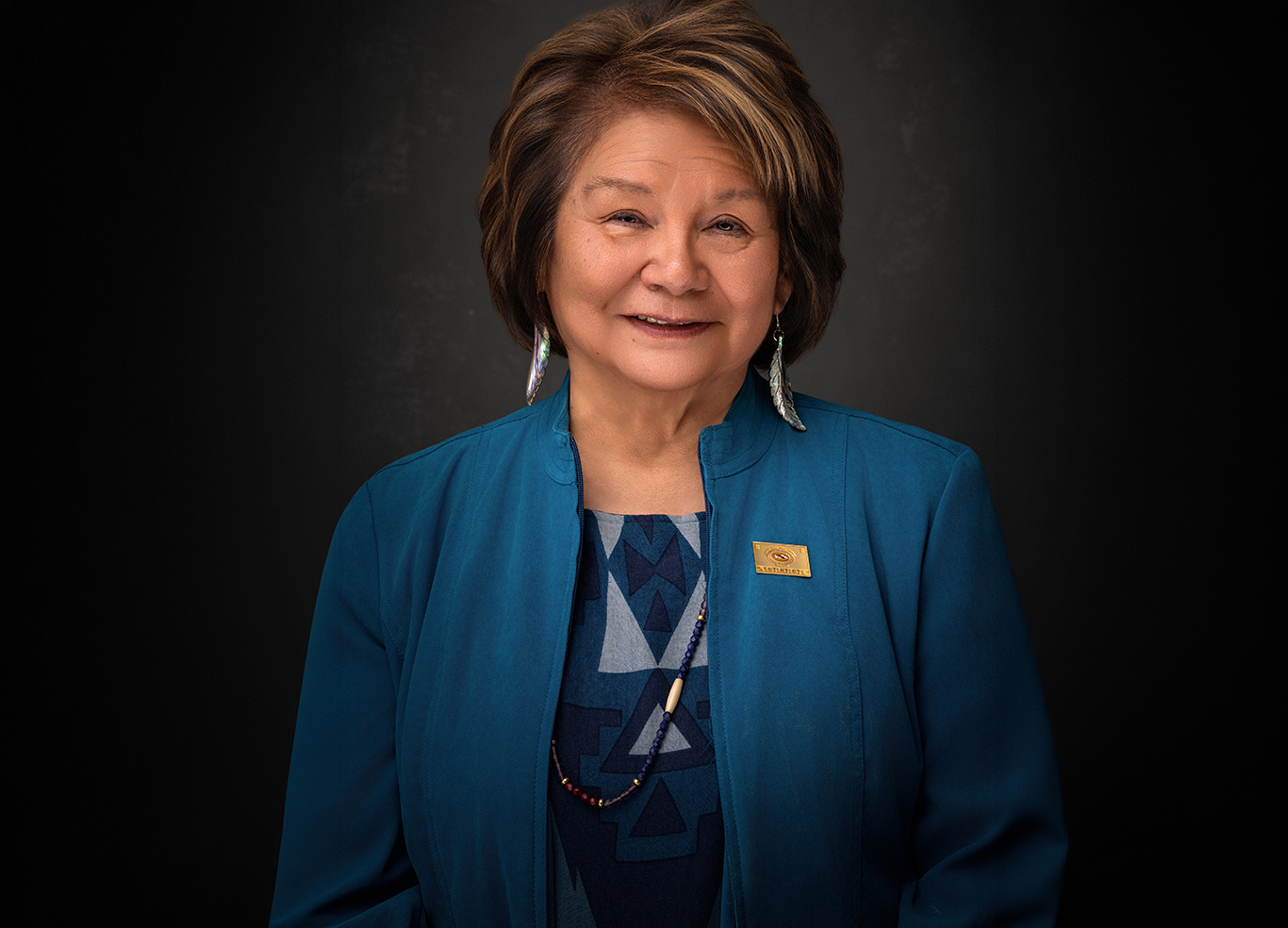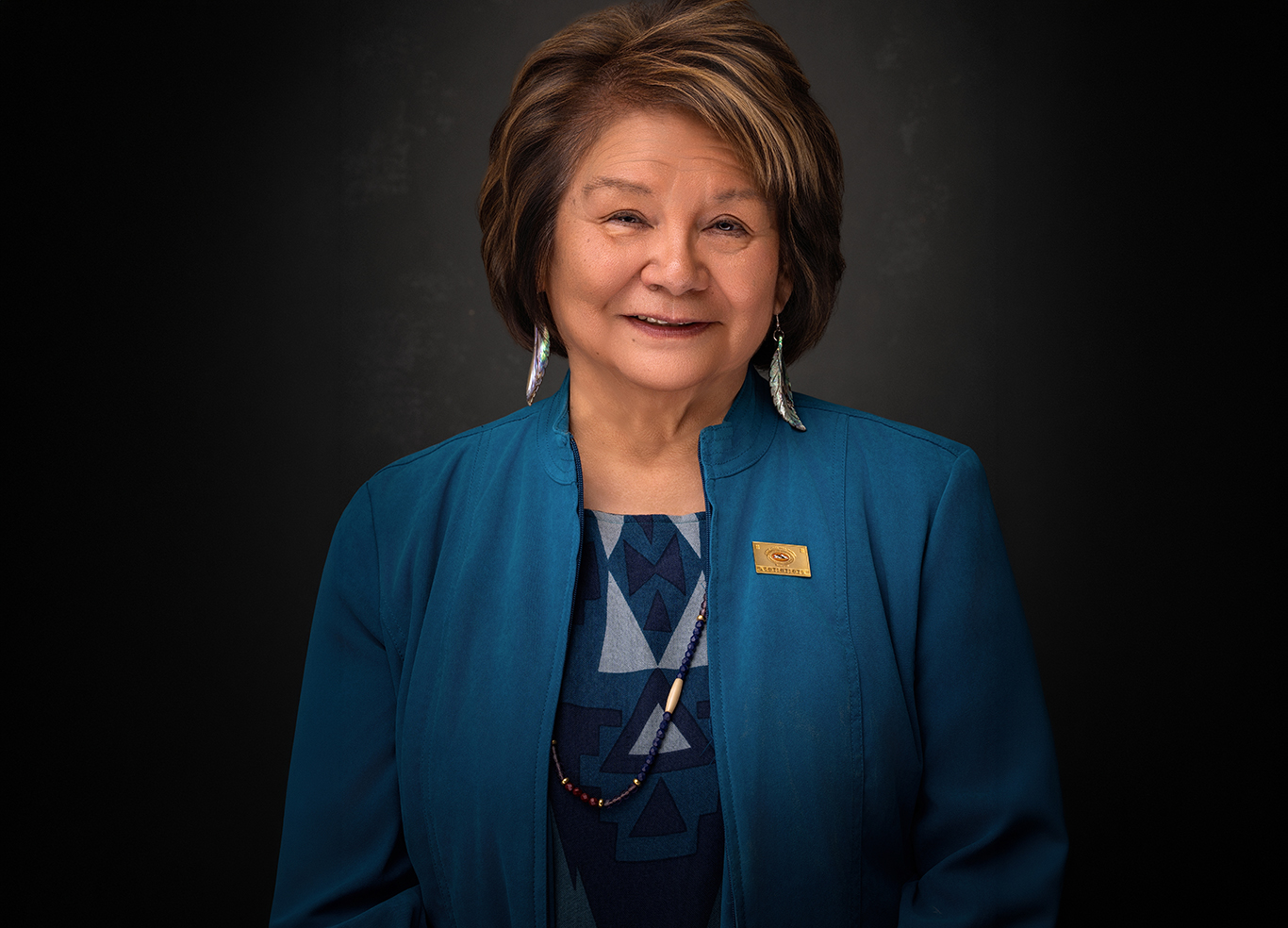
Opinion | N. KATHRYN BRIGHAM, CTUIR Chair Board of Trustees
In April, it was great to see progress on several projects, some that have taken years to accomplish and others that are still in the works.
What stood out most is how these efforts are built on strong relationships, both within Confederated Tribes of the Umatilla Indian Reservation (CTUIR) and with external partners. These projects will have a lasting impact on our membership and our community.
Relationships matter to all of us. They are not always easy to maintain, but they are essential over time. Tribal leaders understand we cannot create success for our people and our communities on our own. We have to work with others who influence and affect our lives.
I have often been reminded by tribal elders that our 1855 Treaty was signed with the future in mind. Our leaders then were planning ahead for generations they would never meet. Now it is our turn to do the same. That message has stayed with me for decades, and it continues to guide the work our leaders are doing today.
One project that reflects this long-term commitment is the reconnection of Chamna and the healing of the Yakima River Delta. CTUIR and the Yakama Nation have worked on this for decades, restoring the island and ensuring the Yakima River can flow freely again at its mouth. It was powerful to see so many partners come together and hear their stories. The Yakama Nation also hosted a strong celebration to recognize the success and bring everyone together.
Another example comes from our own experience restoring salmon to the Umatilla River. When smolts were first released at the headwaters, they ended up in irrigation fields instead of continuing downriver. That moment brought the Board of Trustees (BOT) and the Fish and Wildlife Committee together to find a better path forward. The work was not easy, but through communication, partnership, and collaboration, CTUIR restored salmon populations after 75 years of absence.
That is something to be proud of. We are continuing that work in the Walla Walla River, and 2026 marks an exciting milestone: the first year salmon are returning to the Walla Walla Basin.
These successes remind us that long-term commitment pays off. We have seen it through efforts like the Umatilla Basin Project and the Umatilla River Fish Restoration Program, where salmon returned after generations of absence. We see it continuing today with restoration work in the Walla Walla River. It also shows how we care for the land through our First Foods Policy, ensuring future generations have access to the foods that define who we are.
Beyond natural resources, we have made long-term investments in preserving our history through the Tamástslikt Cultural Institute, as well as in education, workforce development, and planning for future energy needs.
All of this work reflects the same idea our elders shared years ago: plan not just for today, but for the generations that come after us.