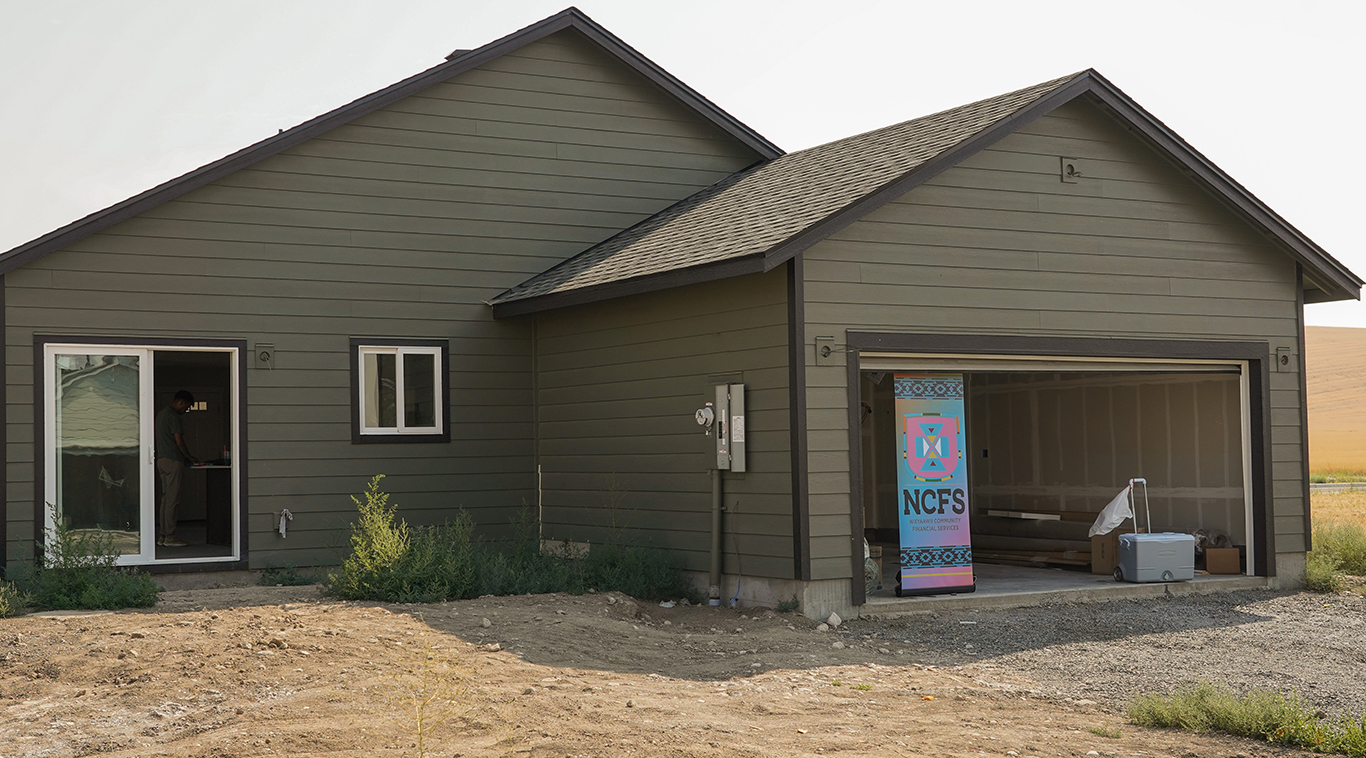
MISSION — Nixyáawii Community Financial Services (NCFS) hosted tours for two of its first home build projects in the Nixáawii neighborhood on July 30. The project is courtesy of a grant secured by NCFS provided by Oregon Housing and Community Service for housing development.
“ When I heard that we had the ability to go after additional funding, that’s when I said, ‘This could be the opportunity to really help make that connection between the tribe developing and building the Nixyáawii neighborhood,'” NCFS Homeownership Services Manager Pamela Ranslam said. “Actually providing the opportunity for tribal members to just buy a home rather than having to go through the construction of a home.”
The significance of the grant was in taking away the requirement for tribal members to secure a construction loan while NCFS would work with a contractor to reduce the stress of tribal members having to build their own homes.
It also provides housing opportunities regardless of income level to community members, that was the significance of the grant — being able to take away the requirement that tribal members would have to get a construction loan, and NCFS could work through a contractor to reduce the stress on the buyer.
“That’s really where we came up with being able to use this money to hire a contractor, start building homes and then turn around and be able to sell them to the tribal community,” Ranslam said.
She added that construction costs tend to be challenging as they’re higher risk, when considering building on trust land in addition, only two loan options remain. One is based on veteran-status and the other being a Section 184 loan.
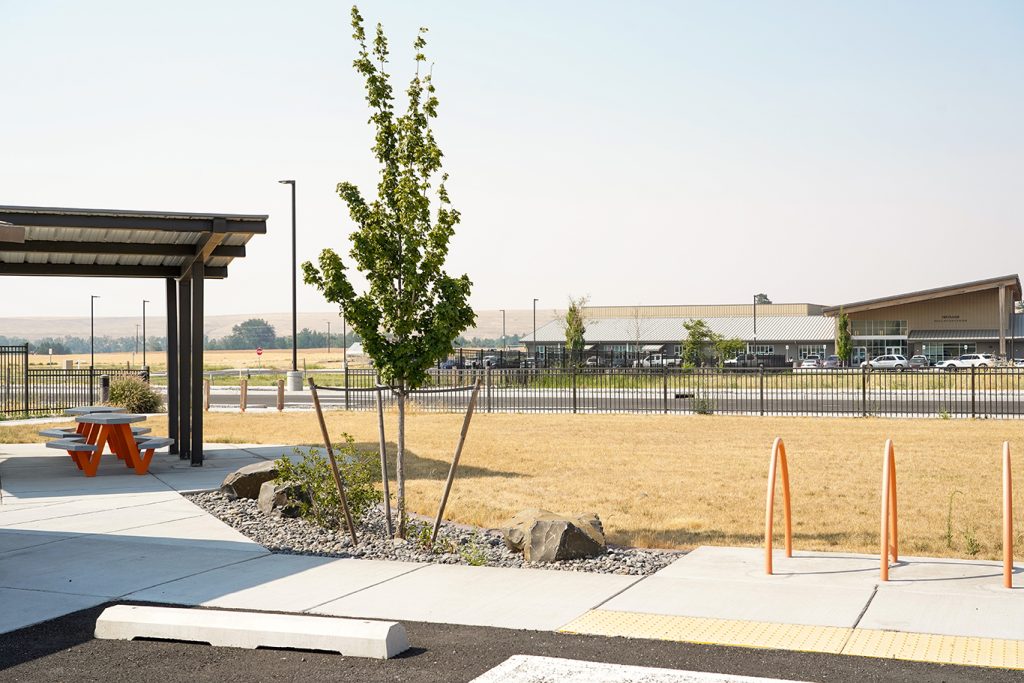
The Section 184 loan is a government-guaranteed loan by the Office of Native American Programs. The main requirement for this loan is for the borrower to be enrolled in a federally recognized tribe. It can be used for fee simple land, which have no restrictions of ownership, and trust land, whether it’s allotted or tribal trust-land with a 99-year lease.
“With the Section 184 loan, it was specifically designed for the tribal community and specifically trust land. You can use it in the city of Pendleton or anywhere in the state of Oregon or Washington. So people can use that anywhere as long as they’re enrolled, but it’s really one of the only options for tribal members who are looking to get a mortgage on trust property or with a 99-year lease,” Ranslam said.
She said with most construction loans, buyers are only paying a fraction or portion of the money used based on interest until the home is completed, and then mortgage payments begin.
“With the Section 184 loan, you’re going to start making your mortgage payments the day you get the money to build your home, so you could be paying a mortgage and rent for nine months, and now you’re having to come up with some more money to pay for both,” Ranslam said.
Ranslam said construction loans require a 10% contingency loan on stick-built homes as well. If one were to get a $300,000 loan to build a home, the loan would need to be an additional $30,000 to be amortized, or written off, over 30 years.
“If we finance it internally or use that grant money to pay for the construction loan, that eliminates all those additional fees and charges that the homeowner would have to pay for, so they can actually just come in and purchase the home straight versus having to get a construction loan, pay for their mortgage, pay that 10% contingency,” she said.
Ranslam said the benefit is twofold: it is NCFS building the homes so the buyer will not have to undergo the process attached to the construction loan, but also them not having to finance or pay the upfront costs they would normally have to do.
“ There’s some definite cost savings that have nothing to do with the construction of the home, it has to do with the financing or the fees that you’re going to have to pay a lender to be able to get that house, so we’re helping to reduce that,” she said.
The way the neighborhood is developed, Ranslam said flooring options were limited for the houses being constructed, considering having to have the garage open off the alleys running through the area, though they are customizable to fit what the buyer needs.
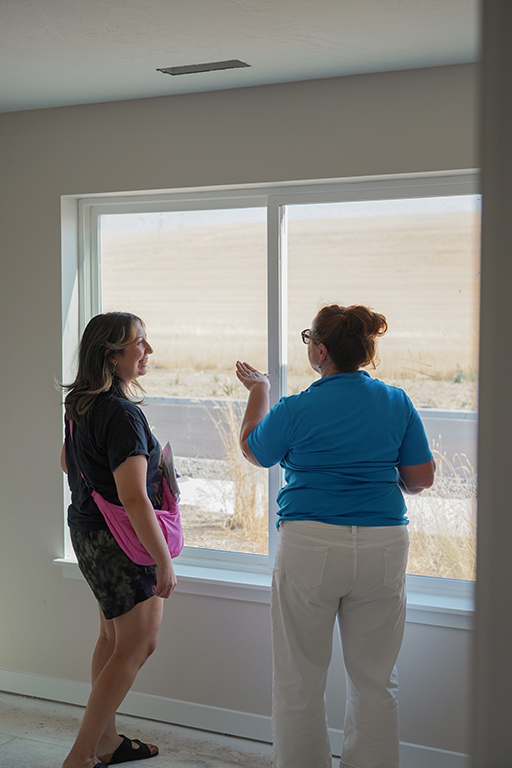
Ranslam said the main thing she’s learned from teaching and providing financial and home buyer education is that buyers want a home for their families, not just their immediate families, but multi-generational homes.
“They want their grandchildren, their great-grandchildren, their future generations, even if they’re not living on the reservation, maybe if they go off and they get a job somewhere else, they always have a place to come home to. That’s really the main focus for most families, they want that connection for future generations and that level of security,” she said.
Ranslam said by putting someone in the position of homeownership versus renting, they’re investing in themselves and their families, and that it can have a long-term effect on the mindsets of the buyer’s children and grandchildren.
“It’s amazing when tribal members are able to become homeowners, we have so many out there who do want to become homeowners,” she said. “I think they’re still concerned, they’re still looking at the affordability option, and we’re looking at that too, to make sure that we’re providing some other opportunities for them.”