MISSION — Along the Columbia River Basin, salmon have shaped tribal cultures for generations. But as fish runs decline, tribes are working to restore habitat, strengthen hatcheries and protect treaty rights that depend on healthy rivers.
The Columbia River Basin, which spans seven U.S. states and one Canadian province, was once the world’s largest salmon-producing river system. Salmon remain central to the traditions, cultural practices and treaty rights of Native American tribes, including those around the Columbia Plateau.
According to Columbia Riverkeeper’s “Fish Facts: Columbia Basin Salmon, Steelhead and Other Native Fish in Crisis” fact sheet, the Columbia River Basin historically supported an estimated 10 million to 16 million salmon and steelhead.
The fact sheet states that more than one-third of historic salmon and steelhead populations are extinct, while many remaining populations are considered quasi-extinct, with 50 or fewer wild fish returning to spawn each year.
It also reports that of the 16 salmon and steelhead stocks originating above Bonneville Dam, four are gone and 11 are either protected under the Endangered Species Act or have been eliminated.
Jerimiah Bonifer, Fisheries Program manager for the Department of Natural Resources at the Confederated Tribes of the Umatilla Indian Reservation (CTUIR), said the Fisheries Program’s primary mission is to protect tribal harvest opportunities and uphold treaty rights.
To do that, he said, fish and other natural resources must remain healthy and abundant.
“When you see these declines over time, there are certain plans and visions that we have that help support these natural resources,” Bonifer said.
One of the tribe’s key tools is habitat restoration and conservation easement acquisition. Those efforts follow what the tribe calls its “river vision,” a framework that defines a healthy river as one that supports the resources tribal members need to exercise treaty rights for future generations.
The vision includes several benchmarks that guide restoration projects, including hydrology, river connectivity, geomorphology and riparian vegetation.
“We’re making sure those touchstones are achieved when we go out and do these restoration efforts to restore the processes that support these populations,” Bonifer said.
According to the EarthJustice report “Columbia Basin Salmon in Peril,” Columbia Basin salmon are in serious trouble, especially those that return to the Snake River to spawn.
The report noted that basinwide, most wild salmon and steelhead populations are less than 5% of their pre-1850s levels, while some stocks, including several from the Snake River, are less than 1% of historic levels.
These numbers fall well below healthy abundance goals, according to the report. The Northwest Power and Conservation Council has set an interim goal of 5 million salmon returning annually to the basin by 2025, but current returns, including hatchery fish, are less than half that goal.
The report also said current returns for specific stocks remain below mid-level healthy abundance goals set by the Columbia Basin Partnership Task Force. Some species with the steepest declines, including Snake River spring and summer Chinook, are approaching functional extinction thresholds.
Hatcheries fill a critical role
Habitat restoration remains one of the most important strategies for rebuilding fish populations and sustaining tribal treaty rights. Artificial production through hatchery programs is another tool used to support fish populations across the Columbia Basin.
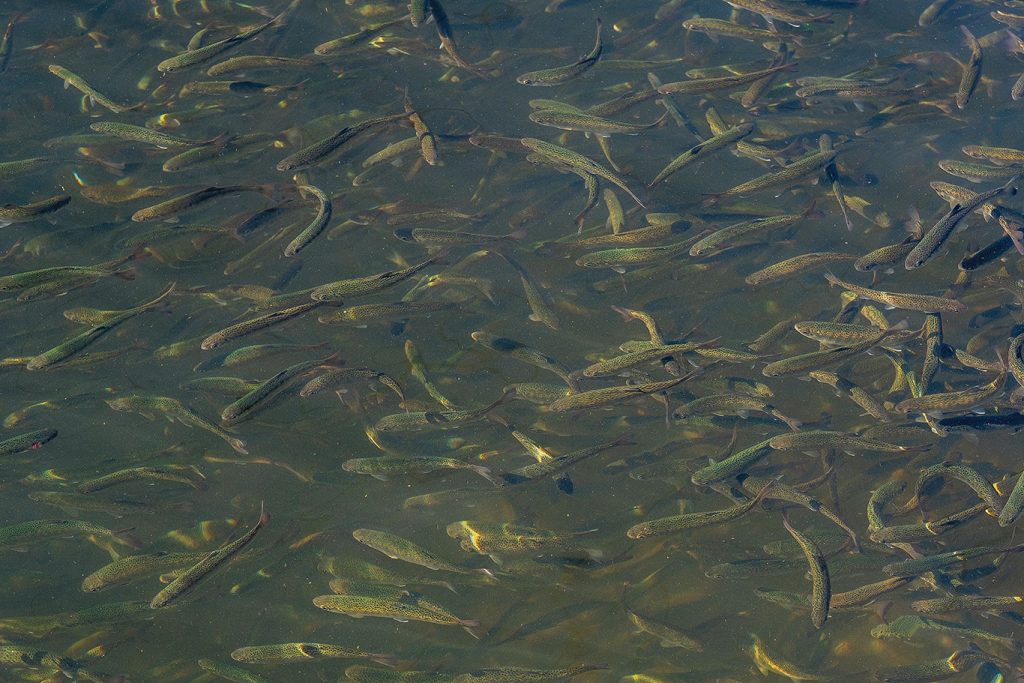
According to the Oregon Department of Fish and Wildlife, Oregon’s 33 hatcheries — 14 state-owned, 18 federally owned and one Portland General Electric facility — produce about 40 million fish annually.
Those hatcheries produce about 35 million salmon and steelhead and about 5 million trout annually for release into Oregon rivers and lakes. Some releases rely on additional facilities operated by tribes, the Salmon and Trout Enhancement Program and other local entities.
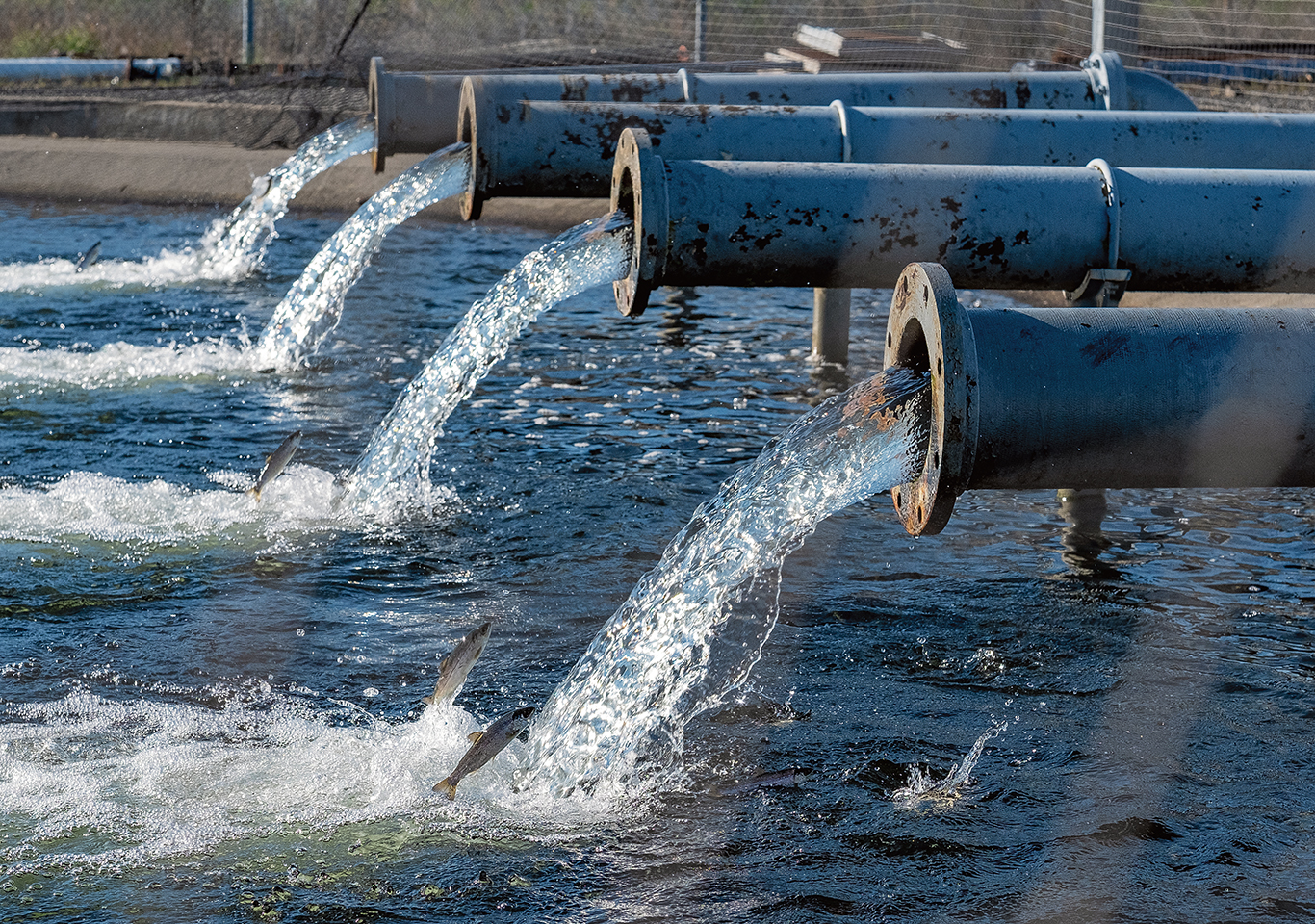
Hatcheries also provide opportunities for the public to learn about fish production, from eggs to broodstock, while supporting tribal cultural traditions and providing access to wildlife viewing, interpretive displays, boating and angling in some locations.
However, Bonifer said deferred maintenance at hatcheries across the Columbia Basin has persisted for decades, creating a significant backlog of repairs and operational needs.
Managers have identified a roughly $1 billion infrastructure maintenance backlog, he said, with many facilities deteriorating because of constant exposure to water and aging concrete and steel structures.
Those conditions limit production capacity and prevent hatcheries from fully meeting fish mitigation goals. Bonifer said the basin needs continued and increased funding to modernize and maintain the facilities.
The basin contains numerous hatcheries, each operating under mitigation goals designed to offset the impacts of the federal hydropower system on the Columbia River, Bonifer said.
One example is the tribally owned Nch’wána Hatchery on the South Fork Walla Walla River, which produces spring Chinook salmon to help restore populations that disappeared from the watershed.
“A lot of these populations, including here in the Umatilla River, were extirpated in the early 1920s,” Bonifer said.
Those original runs no longer exist, he said. Instead, managers rely on hatchery-produced fish to supplement existing populations or reintroduce salmon to areas where they were lost.
In the Umatilla Basin, the CTUIR supplements a naturally occurring summer steelhead population while maintaining a reintroduced spring Chinook run.
Bonifer said the spring Chinook program began with fish from the Carson National Fish Hatchery in Washington. Over time, managers developed a locally adapted broodstock by collecting returning adult fish from the Umatilla River and using them to produce juveniles released back into the system.
“We’re locally adapting the broodstock,” Bonifer said. “The adults that we collect to produce the juveniles that we’ll release into the system come from Umatilla River stock.”
As the region plans for future energy needs, Bonifer said fish, wildlife and cultural resources must remain part of those decisions.
According to the Columbia River Inter-Tribal Fish Commission’s energy vision, a regional power system is called for that protects treaty-protected resources, supports the recovery of Columbia Basin fish and wildlife populations and reduces impacts to water quality and tribal cultural resources. The vision also emphasizes the need for reliable energy while addressing challenges such as drought, wildfire and climate change.
“We’re more than supportive of these energy needs and understanding the needs of the basin,” he said. “We just want to make sure that the resources are brought forward with those changes and not left behind.”
For Bonifer, protecting those resources is about more than fish recovery. It is tied to the continuation of tribal cultures and the exercise of treaty rights.
“They need to exist for the continuation of our culture and the exercise of our treaty rights,” he said.