A partnership between the CTUIR and Cairnspring Mills aims to create jobs, support local farmers and strengthen the local economy.
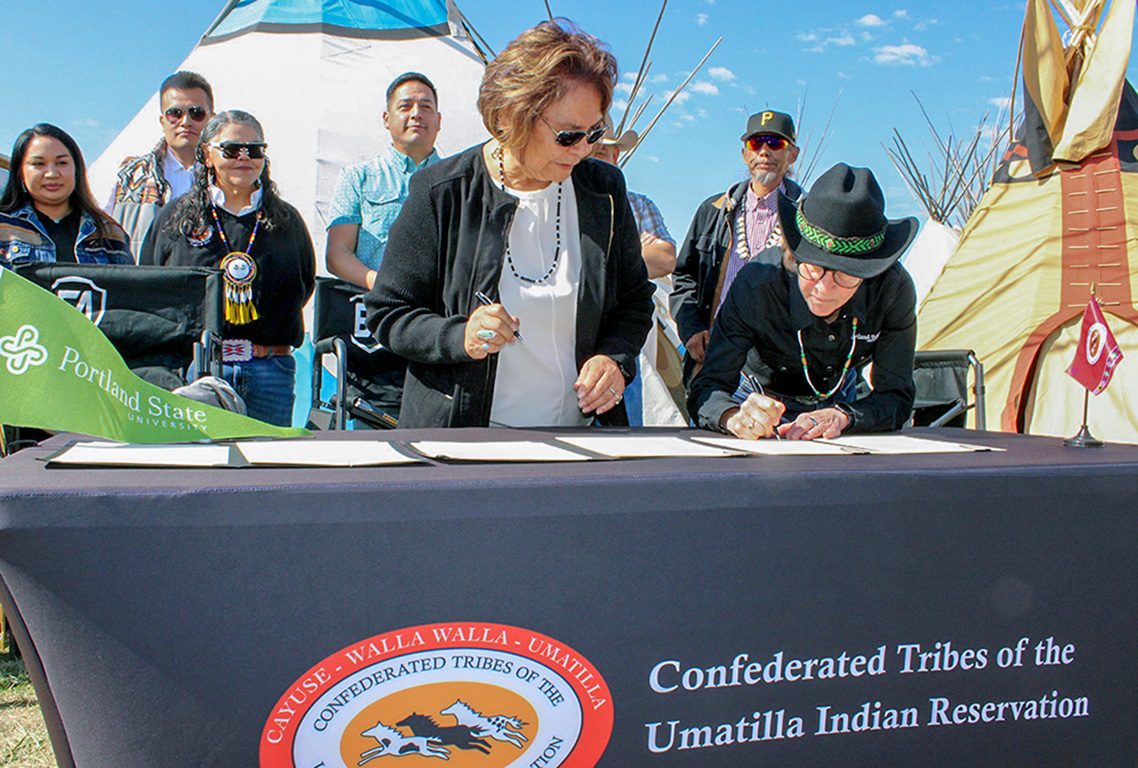
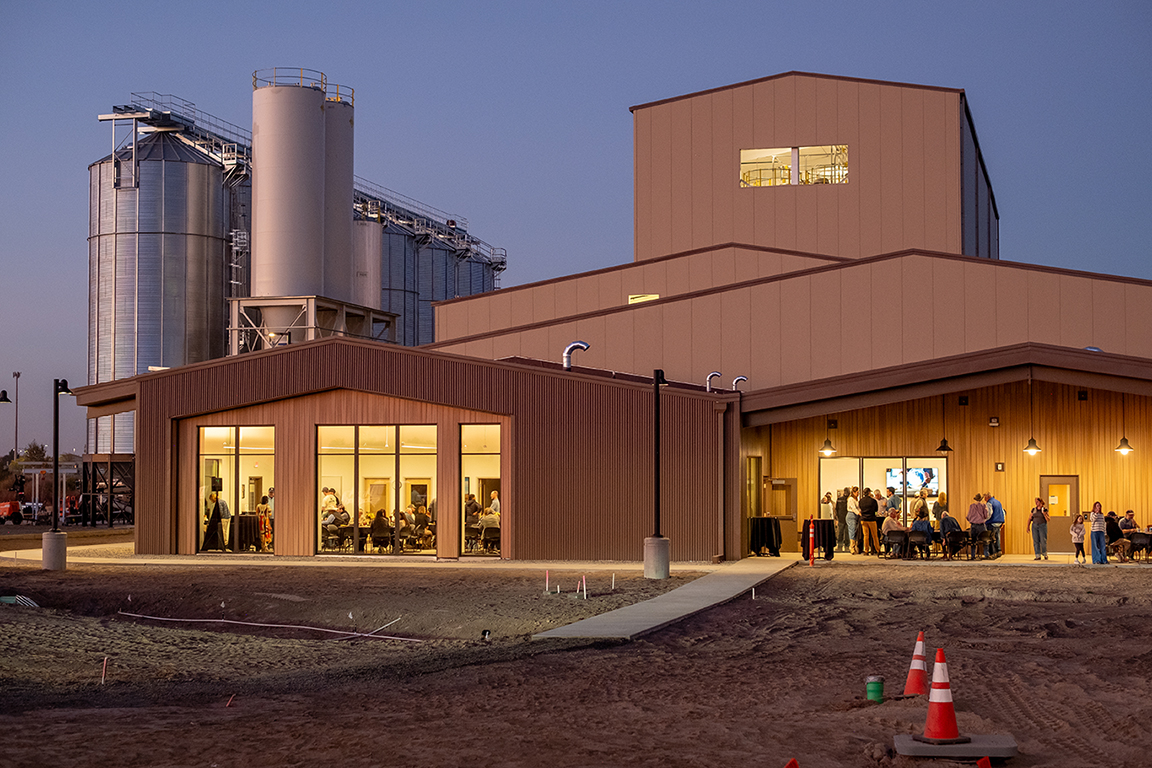
MISSION — The Confederated Tribes of the Umatilla Indian Reservation (CTUIR) and Cairnspring Mills celebrated the opening of Blue Mountain Mill on Oct. 15, marking a new chapter in the region’s agricultural history.
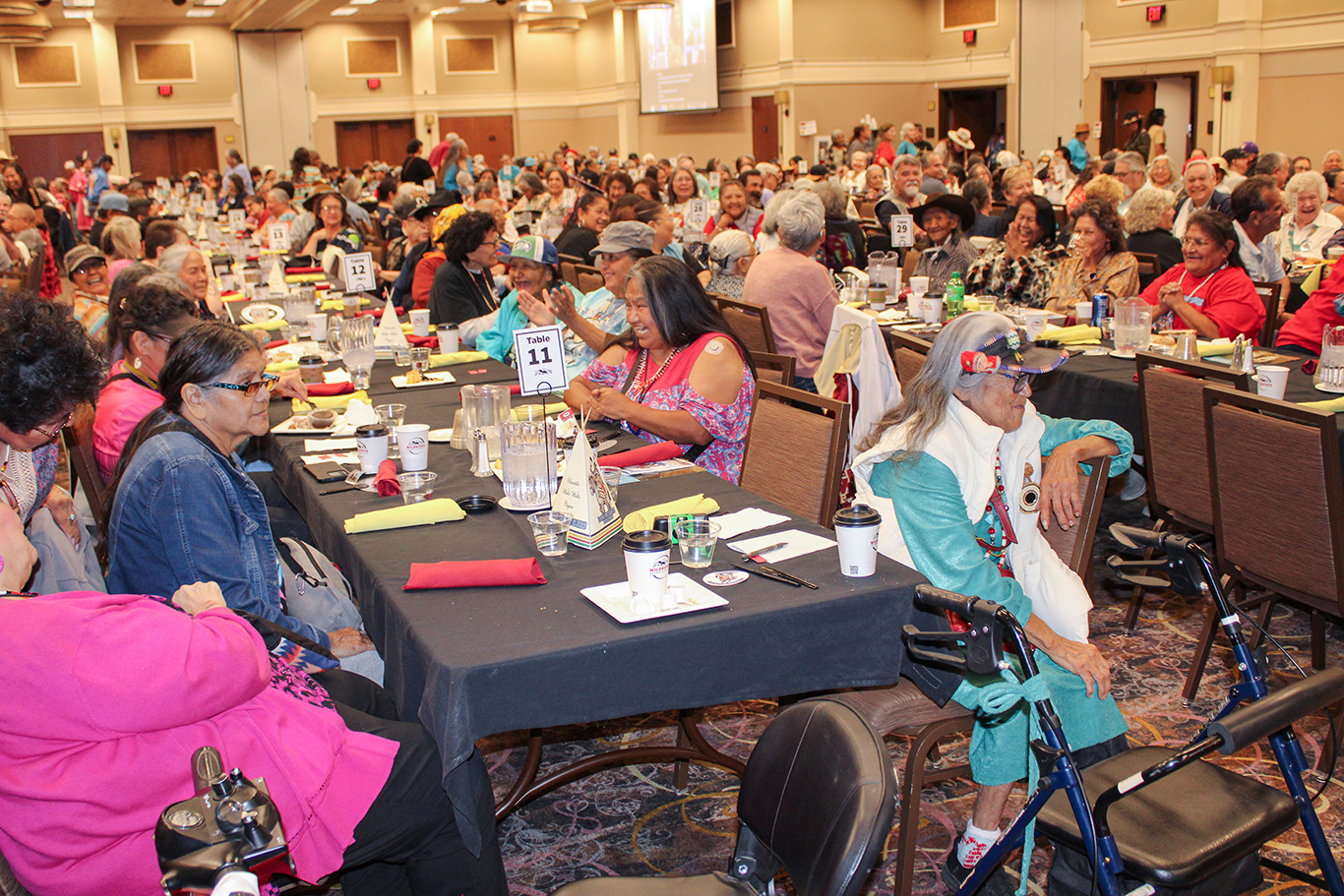
More than 150 people attended the ceremonial event, including tribal leaders, local officials and mill representatives, who gathered at Coyote Business Park in Mission to mark the occasion.
CTUIR member Michael Ray Johnson opened the occasion with the Ringing of the Bell ceremony, joined by members of the CTUIR Board of Trustees (BOT) and other Tribal members as the crowd rose to its feet.
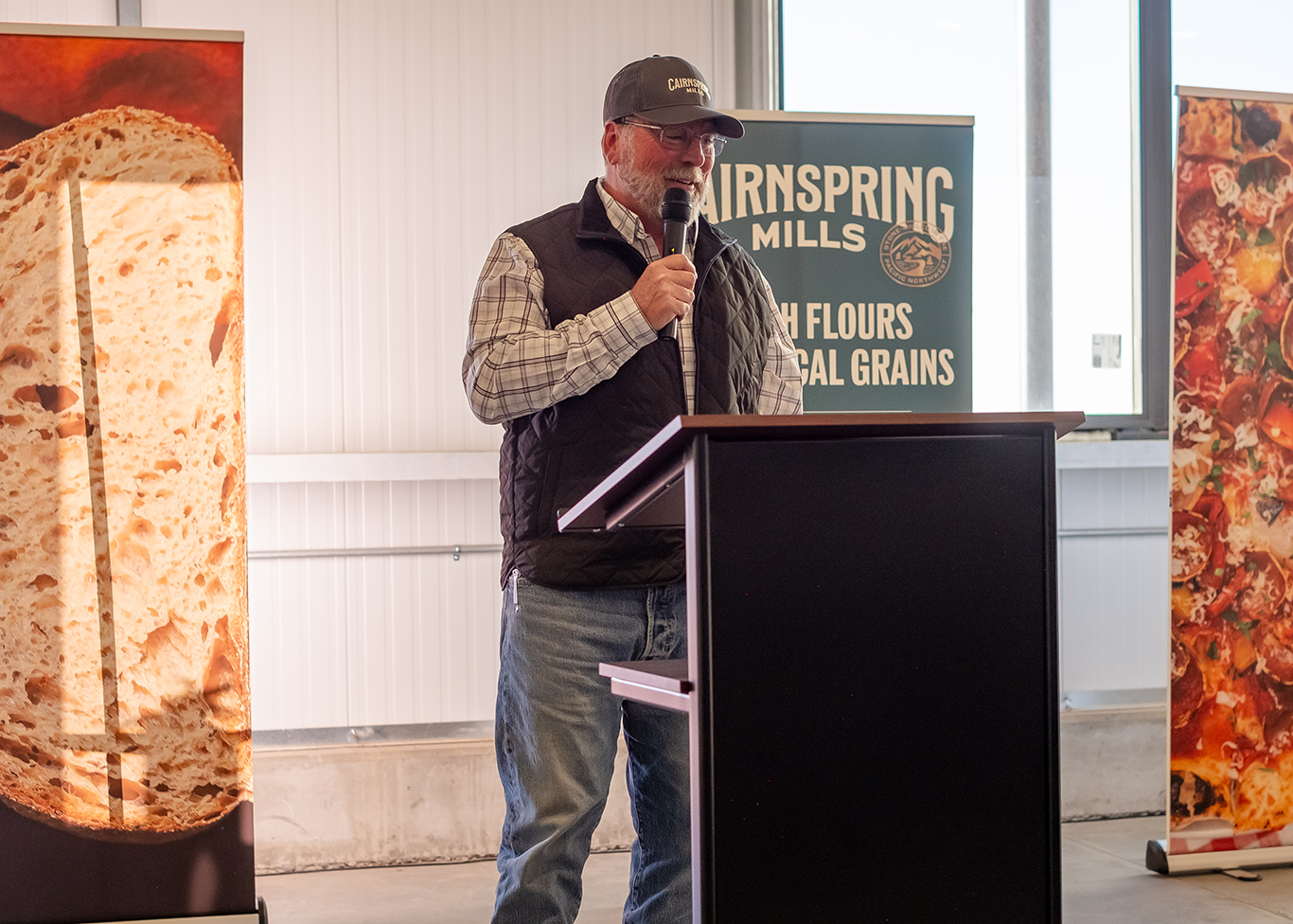
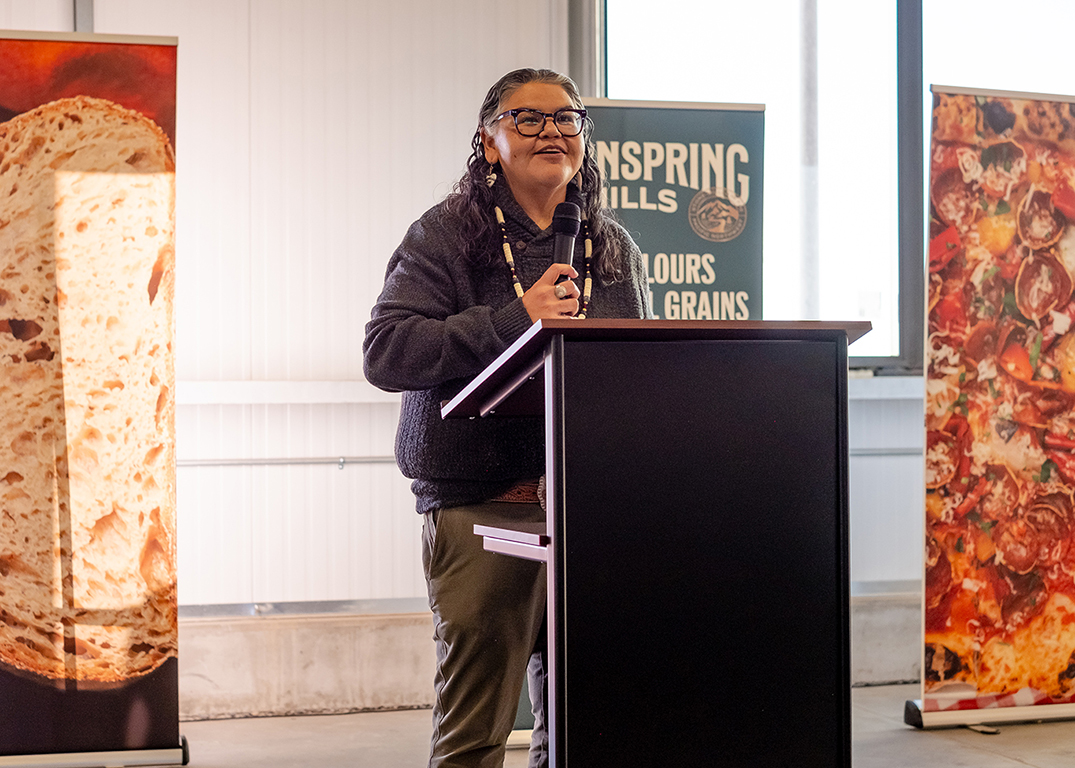
After the prayer, speakers shared remarks about the mill’s significance for the Tribal community, local farmers and the regional economy.
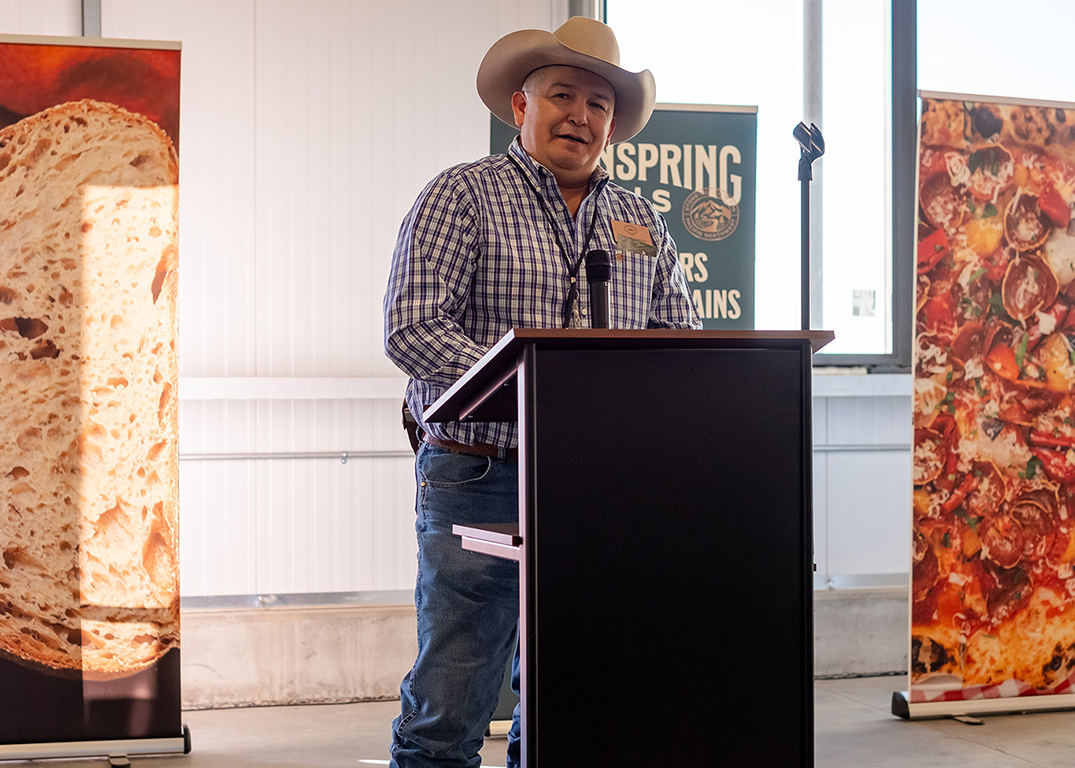
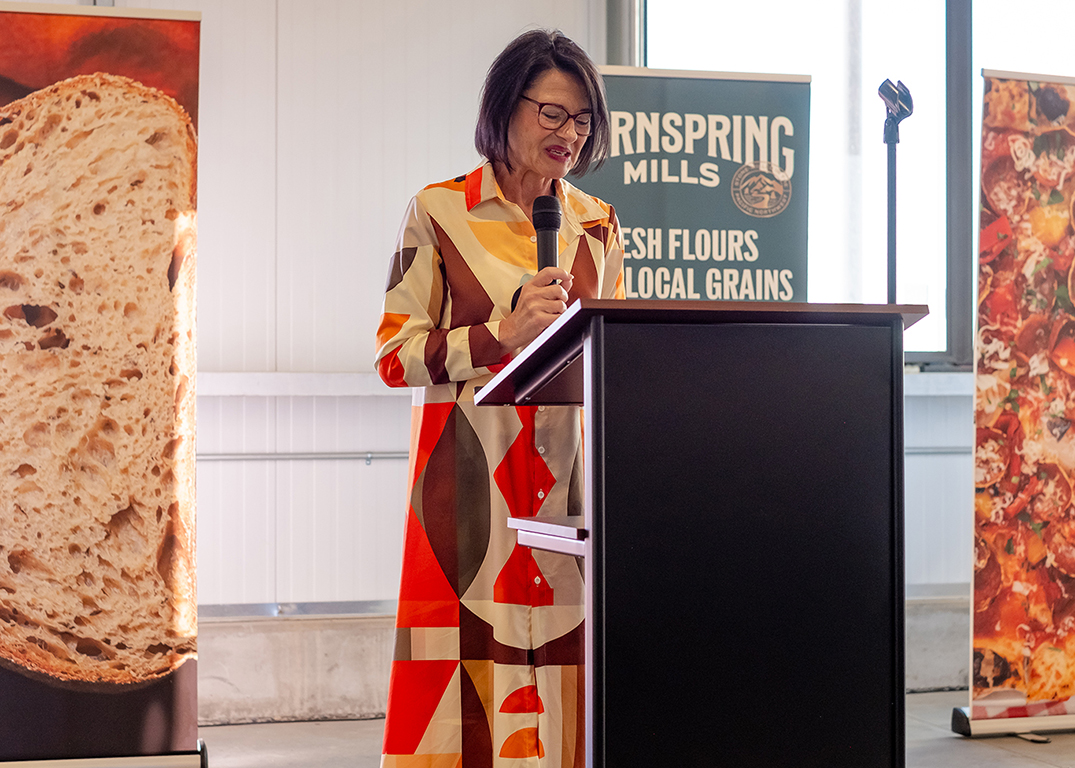
Speakers included Susan Bower, economic development consultant of the CTUIR, BOT Treasurer Raymond Huesties, trustees Corinne Sams, Keith Morter of Morter Farms and Kevin Morse, co-founder and CEO of Cairnspring Mills.
Founded in Washington’s Skagit Valley in 2016, Cairnspring Mills partners directly with Pacific Northwest growers who use regenerative practices that restore soil health and sustain farms for the long term.
Bower described Blue Mountain Mill as more than a business opening, calling it a celebration of “partnership, friendship and an amazing example of what can happen when a group of people come together and focus on a common good.”
As part of the partnership, CTUIR leased the site to the company for 50 years and invested $5 million in the business, making the tribe’s first equity stake in a private company.
The project also brought together a first-of-its-kind coalition of public and private partners, including Steward, Native American Bank, Mission Driven Finance, eight Native community development financial institutions, the U.S. Department of Agriculture, the state of Oregon and mission-aligned and community investors.
The financing also drew on New Markets Tax Credits and a substantial EB-5 investment, one of the first uses of the federal program for a food processing business, created to bring jobs to rural communities.
The company has worked closely with the tribe throughout the project, Bower said, highlighting its communication, transparency and respect for CTUIR values and connection to the land.
“More than one elder has told me that having a wheat milling operation on the reservation has been a goal of the tribe for decades and decades,” Bower said.
Huesties recalled when the land surrounding the development was largely wheat fields.
“When I was a kid, this was all wheat field,” Huesties said. “And to look at it now, and to tell me back then what was gonna be here, I’d tell you you’re crazy.”
For Huesties, the mill represents more than a change in the landscape. It offers an opportunity to keep more of the region’s food production close to home while using the natural resources that sustain tribal communities.
“There’s nothing more important to our people than our natural resources, and dirt is a major natural resource that creates our food when we go and gather,” Huesties said.
The connection between the land and the food it produces is central to Cairnspring’s vision for Blue Mountain Mill. The company plans to buy more grain directly from Pacific Northwest farmers, potentially paying prices above commodity-market rates and keeping more value in the local food system.
“For generations, our people have known a fundamental truth: The land is not just a resource; it is a relative and it is alive,” Sams said.
Sams described the soil, water, salmon, big game, roots, berries and grain as living parts of the land, saying the partnership with Cairnspring Mills grew from a shared understanding of its importance.
By processing grain on the reservation, the mill can help keep more economic value within local communities, create jobs and support long-term prosperity across the region, Sams said. She added that the facility could spur growth of additional businesses on the reservation.
“I think there are some fundamental things that we all agree on,” Morse said. “Healthy soils matter. Farmers should be able to make a good living for producing healthy food, good stewardship of the land, so they can keep farming for generations. Our communities and families deserve clean, healthy, delicious food.”
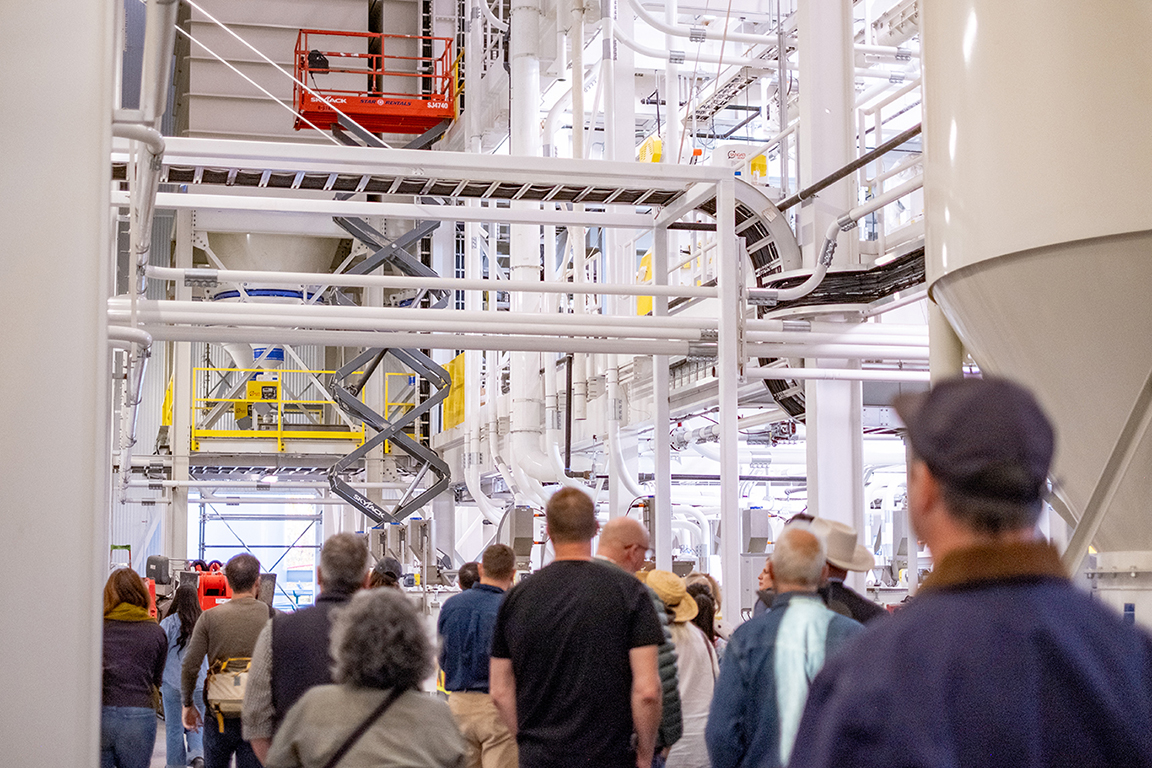
The 27,000-square-foot mill sits within a more than 170-acre commercial and industrial development. The facility pairs traditional stone milling with modern blending and quality controls to process high-volume hard red wheat shipped by the truckload.
Commercial production is preparing to begin in November. Once fully operational, the mill will increase Cairnspring’s annual milling capacity from about eight million pounds to more than 115 million pounds. It will produce flour under the Cairnspring name and mill flour for customers who sell it under their own labels.
With the opening of Blue Mountain Mill, the company now operates two mills in the Pacific Northwest. The new facility gives its original mill in Burlington, Washington, room to focus on specialty flours, distinctive grain varieties and new products. Cairnspring opened the Burlington mill about a decade ago through a partnership with the Port of Skagit.
Together, the two facilities will allow Cairnspring to serve a broader range of customers.
The expanded operation will also increase demand for wheat grown on farms that prioritize soil health. At full capacity, Cairnspring expects to source wheat from about 60,000 acres, generating more than $22 million annually for farmers and creating more than 22 local living-wage jobs.
Cairnspring Mills has also worked with the CTUIR’s Workforce Development and Tribal Employment Rights Office to create training and educational opportunities for tribal members.
“I’m proud to share that on Monday, we just hired eight local people here to work full-time and start working at the mill,” Morse said.
The company isn’t trying to build the nation’s largest flour mill, he said, but to demonstrate that business success, regenerative agriculture and community prosperity can reinforce one another.
Morse said the project also reflects the importance of food security and resilient supply chains. In his 62 years, he said, he had never witnessed such a broad coalition united around a shared business venture.
“We’re celebrating here today, not just a new flour mill, but the power of community to bring a shared vision to life,” Morse said.
Bower described the partnership as a “win-win-win,” pointing to the potential benefits for farmers, the local economy and the wider region.
“It is going to be something that our children’s children’s children will be able to benefit from,” Huesties said.