MISSION — A second case of bird flu at a farm in Stanfield has prompted Tribal and county health officials to warn residents to take preventative measures.
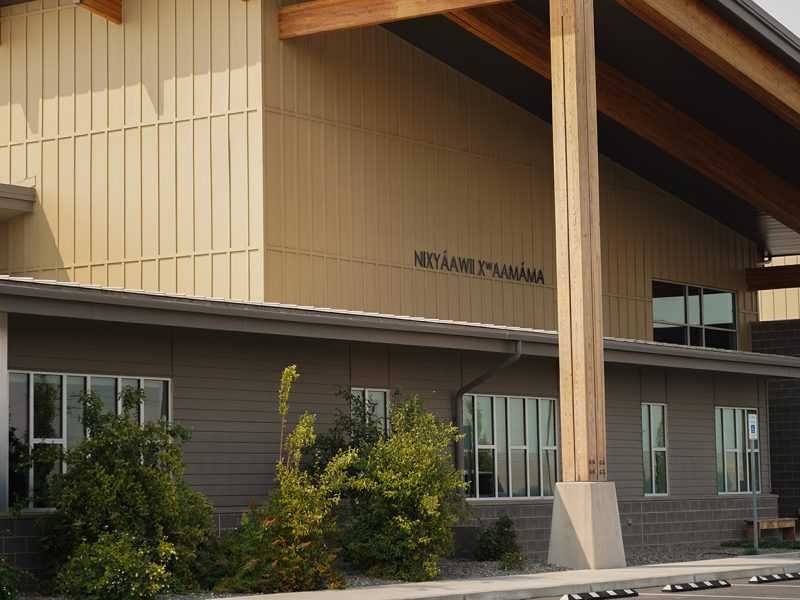
The Confederated Tribes of the Umatilla Indian Reservation (CTUIR) and Yellowhawk Tribal Health Center, in collaboration with the Umatilla County Health Department (UCHD) and the Oregon Department of Agriculture (ODA), issued a notice on Jan. 9, urging residents to take precautions to reduce potential exposure, including those living on the reservation.
Highly pathogenic avian influenza (HPAI H5), commonly known as bird flu, is a viral infection that mainly affects birds, though it has also been detected in other animals such as dairy cattle, pigs and cats.
According to the Umatilla County Health Department, the farm owner noticed that many chickens became sick and several died unexpectedly, and later notified the Oregon Department of Agriculture, which conducted an on-site inspection.
Rapid testing confirmed the birds were infected with avian influenza A, the health department said. Officials humanely euthanized all birds on the farm.
Seven people live on the property, including two parents and five children. None reported symptoms, according to the health department.
Public health officials placed two people under 10-day public health monitoring – the farm owner and the veterinarian who conducted the initial visit. Neither developed symptoms, the department said.
Officials are still assessing the number of potential human exposures. People who may have been exposed could be monitored for up to 10 days as a precaution. No human testing is planned at this time, but that could change if conditions warrant.
This is the second backyard poultry outbreak reported in northern Umatilla County in recent weeks, according to the health notice. So far, the ODA has confirmed one case of avian influenza at a Umatilla County farm, as recorded on the agency’s website on Jan. 2. Once laboratory confirmation is completed by the National Veterinary Services Laboratories, the outbreak will be updated on the ODA website.
Last year, on Jan. 21, 2025, a similar case was also reported in Umatilla County.
Public health advisory
In a health advisory issued by CTUIR and partnered agencies, officials urged people who work outdoors or with animals to exercise caution. They advised avoiding sick, injured, or dead birds – wild or domestic – and staying away from bird droppings, feathers or other potentially contaminated surfaces.
Pets and livestock should be kept out of areas where birds gather. Poultry owners were encouraged to strengthen biosecurity by limiting access to birds and disinfecting footwear, tools and equipment, according to the health department.
In addition to the official CTUIR public health notice, Yellowhawk Tribal Health Center issued a warning and posted general avian influenza awareness information on its website and social media.
“Human infection with avian influenza is rare,” the notice states. “Anyone experiencing fever, cough, sore throat, respiratory symptoms, or body aches after contact with birds or poultry should seek medical attention promptly and inform their healthcare provider of possible exposure.”
The Confederated Tribes of the Umatilla Indian Reservation said it will keep monitoring the situation to protect tribal members’ health, first foods, treaty-reserved rights, livestock, wildlife and natural resources, and provide updates as new information emerges.
Brian Fullen, environmental health and safety specialist with CTUIR’s Planning Department, said the Umatilla County Health Department is closely monitoring the situation and advised anyone on the reservation experiencing symptoms to contact Yellowhawk Tribal Health Center.
Community members on the reservation who develop symptoms after contact with a sick bird are urged to call Yellowhawk Tribal Health Center at 541‑966‑9830. Officials also advise that anyone who finds dead birds, especially poultry or wild birds, contact the Oregon Department of Agriculture for a site visit and testing. The ODA can be reached at 503‑986‑4711 for domestic birds and 503‑968‑2600 for wild birds.