MISSION — As Gov. Tina Kotek urges lawmakers to act quickly to stabilize Oregon’s transportation system, Kayak Public Transit is watching closely to see how proposed funding changes could affect service in Eastern Oregon.
At the Oregon Transportation Forum on Jan. 7, Kotek outlined a three-part plan she described as “redirect, repeal and rebuild” to shore up the Oregon Department of Transportation (ODOT), which faces a projected $242 million budget shortfall.
She urged lawmakers to redirect existing transportation funds toward essential operations and maintenance during the February legislative session. She said emergency action is needed to prevent layoffs, preserve core services and reduce vulnerability to severe weather and infrastructure failures.
Kotek also called for repealing House Bill 3991, a transportation funding package passed during a 2025 special legislative session. Key revenue provisions of the law are currently frozen after opponents successfully referred them to the November ballot. Kotek said leaving the law in place forces ODOT to absorb new costs without additional funding, prolonging uncertainty for the agency and local communities.
“These decisions won’t be easy,” she said. “There will be tradeoffs and consequences. But giving up is not an option.”
The Statewide Transit Tax is among the provisions affected by the referral. HB 3991 included an increase to the employee-paid transit tax from 0.1% to 0.2%, but that increase is now on hold pending the statewide vote.
Until voters decide, employers are required to continue withholding the tax at the current 0.1% rate. While the bill was intended to provide emergency funding for roads, bridges and transit while strengthening ODOT’s finances, the delay of its fee and tax increases has added to the uncertainty surrounding Oregon’s transportation funding system.
Local transit agency keeps a close eye
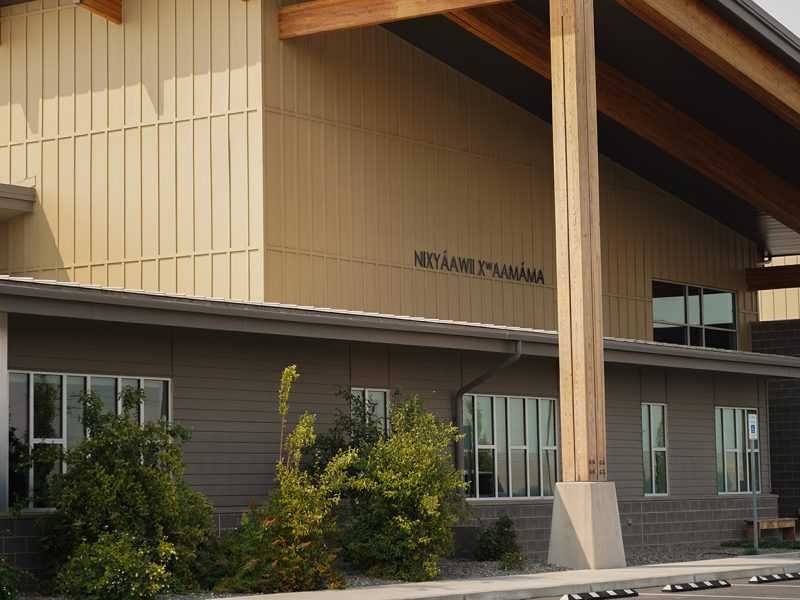
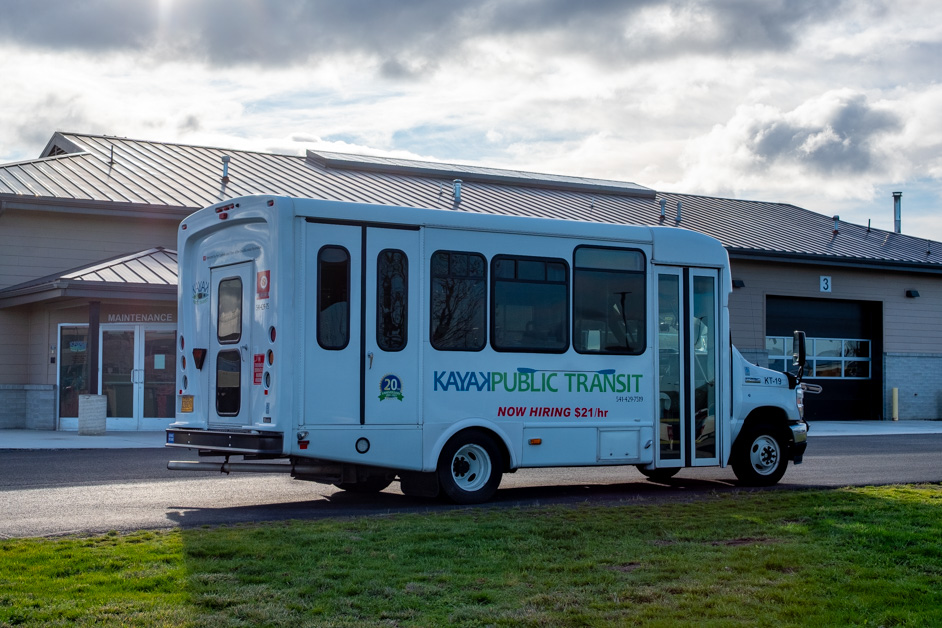
Kayak Public Transit, which serves Pendleton, Hermiston, Boardman, Pilot Rock, Milton-Freewater, and Walla Walla, is monitoring long-term funding conditions as uncertainty continues at the state level.
Kayak, operated by the Confederated Tribes of the Umatilla Indian Reservation (CTUIR), receives major funding from the ODOT’s Statewide Transportation Improvement Fund. It also draws support from the Washington State Department of Transportation, the Federal Transit Administration, CTUIR general funds and other local sources.
Eric Smith, general manager of Kayak Public Transit, said grants approved for July 1, 2025, will provide stable funding for the next two years.
“If our funding can stay at this level when it’s time to apply again, we’ll be in good shape,” Smith said. “But even now, we’re operating on a very tight budget.”
Smith said staffing and hiring have not been affected, though the agency is tightening its belt.
Kayak is also monitoring the Statewide Transit Tax as voters consider changes tied to House Bill 3991, though it remains unclear how the outcome could affect transit funding, Smith said.
He added that potential funding reductions could have significant impacts on local commuters, particularly seniors, people with disabilities and students who rely on the service. Kayak operates multiple daily routes connecting communities throughout Eastern Oregon, and ridership increased more than 20% last year, reaching 88,970 riders, up from just over 73,000 in 2024, Smith noted.
“We run service four times a day from this area,” he said. “If funding were cut, that might drop to twice a day. That’s a big deal. People rely on this to get to medical appointments, work and school.”
For now, Smith said Kayak plans to maintain its current level of service. “My message right now is that we’re still going to deliver the same dependable service that people have come to rely on from Kayak, and that’s our anticipation going forward,” he said.