PENDLETON — Cairnspring Mills and the soon-to-open Blue Mountain Mill are hosting a hiring event for members of the Confederated Tribes of the Umatilla Indian Reservation.
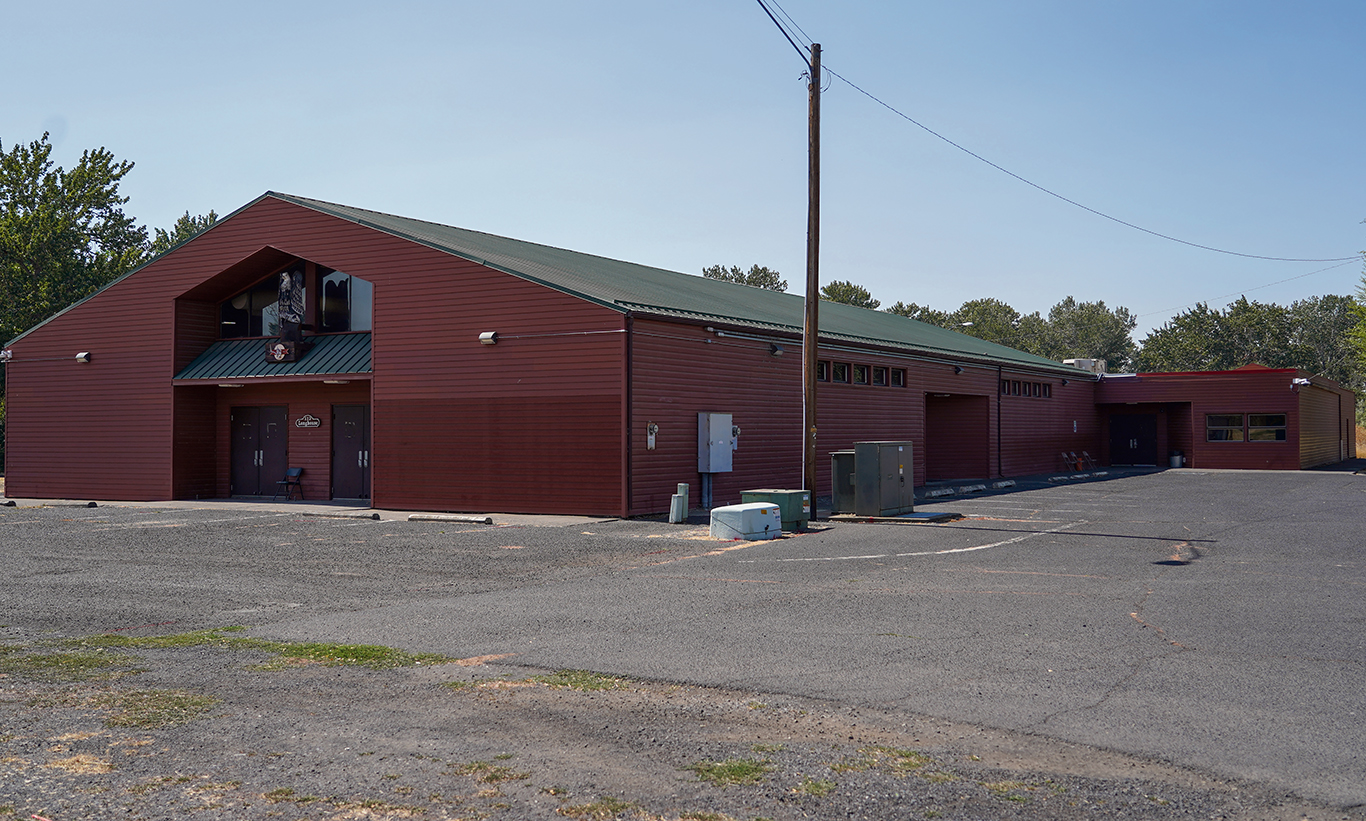
The CTUIR Department of Economic and Community Development will hold the event on April 15 at the Workforce Development Building, 73239 Confederated Way, Pendleton. Sessions run from noon to 2 p.m. and from 5 to 6:30 p.m.
The project is set to add up to 20 jobs, expanding employment options for tribal members and the East Oregon regional workforce.
Jill Costelow, general manager and senior food safety quality assurance manager at Cairnspring Mills, said the company will hold its first job fair on April 15 for CTUIR members, with two events planned that day to launch the hiring process. She said the company is working closely with the CTUIR to coordinate recruitment.
Depending on the response from tribal members, the company plans to expand its hiring to the general community in early May, targeting the Pendleton and Tri-City areas, she noted.
Costelow said some employees are expected to start in mid- to late July, with additional hires in August. She said the mill should be fully staffed by September, with roughly 18 to 20 employees covering administrative, milling and warehouse operations.
Representatives of Cairnspring Mill, including CEO Kevin Morse, hosted a meeting on March 27 to share updated information about the mill and its potential benefits for the community. Nearly a dozen people attended, including representatives from the CTUIR, Umatilla County commissioners, Nixyaawii Community Financial Services, a state representative and Oregon state rural development officials.
Costelow said the company plans to begin commercial production on Sept. 15. Preparatory testing at the mill will start at the end of July, with the stone mills activated first, followed by the traditional mills for flour production. Testing will continue through August, followed by training for new employees.
“Our goal is to be ready to go by mid-September,” she said.
The company also must finalize its food safety plan and achieve Safety Quality Food certification through a Global Food Safety Initiative audit. Costelow said the team expects to pass the audit within 30 days of first production.
“It’s a tall order to make sure everything is buttoned up,” she said. “But we’re confident in our programs and our team. Once we’re qualified, we’ll open the doors and get running.”
Paul Glowaski, sustainability manager for Crainspring Mills, said farmers began planting grain last fall to supply the mill this September, starting with hard red winter wheat. He added that farmers are now planting dark northern spring wheat.
The company contracts directly with farmers rather than buying from the general commodity market.
“We pick specific varieties and negotiate prices directly with them,” he said, noting that it requires a good-faith effort to coordinate planting.
He added that the team is working to ensure the mill is ready as the grain is harvested.
CEO Kevin Morse said the company prioritizes taking care of its employees. He said the company covers 75% of health insurance for all employees and their dependents, a significant commitment for a small business.
Morse added that after a defined period, employees become eligible for stock options, allowing them to benefit directly from the company’s growth and their contributions. He said these measures help create a workplace culture where people want to be part of the team.
Costelow said the mill will begin operations at a slower pace to ensure production is done correctly, then gradually ramp up to run full-time — seven days a week, 24 hours a day — by year’s end.
The mill project marks the tribes’ first major investment in a private company, combining regenerative agriculture with tribal-led financing to advance local ownership and regional food systems.
The total cost of the facility is nearly $50 million. Mission-Driven Finance contributed $9 million, working with about eight Native community development financial institutions to assemble the loan package, while the CTUIR invested $5 million.
In addition, the U.S. Department of Agriculture Rural Development, in partnership with the lender Native American Bank, provided a $25 million investment in support of the project. The Oregon Department of Agriculture awarded $755,077 through its Resilient Food Systems Infrastructure Program.
Morse said the project was a major undertaking that would not have been possible without these key partners.
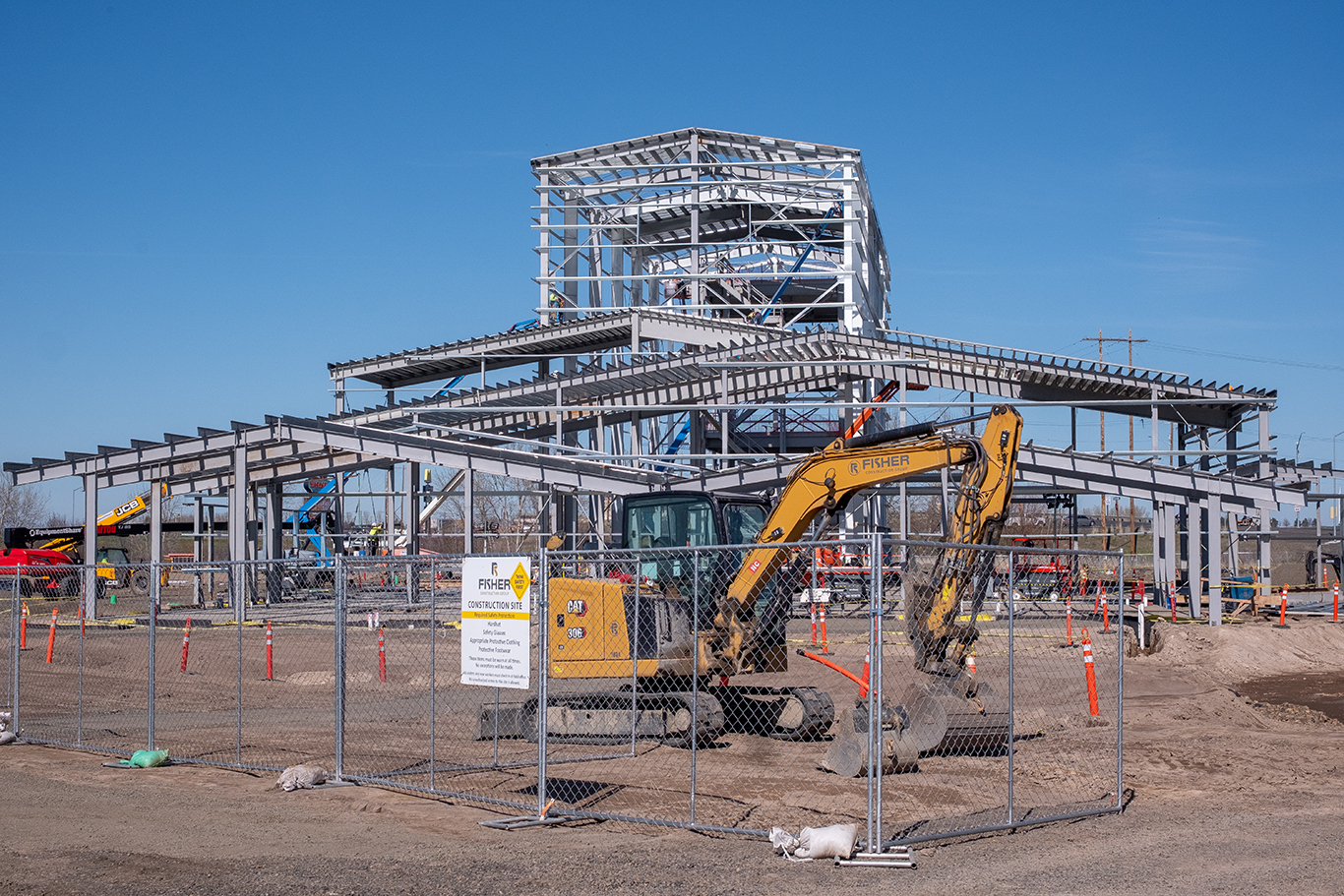
The new Blue Mountain Mill will occupy a 5.7-acre site and include approximately 27,000 square feet of building space. The facility will feature a four-platform milling system covering about 10,000 square feet, plus a 12,000-square-foot warehouse.
The mill is expected to produce about six metric tons of flour per hour, or roughly 300,000 pounds per day, totaling around 110 million pounds of flour annually.
“I couldn’t have imagined a better partnership,” he said. “It creates a model that other communities, such as Umatilla County, could follow to bring similar infrastructure and jobs back to their regions.”